
Principal Investigators:
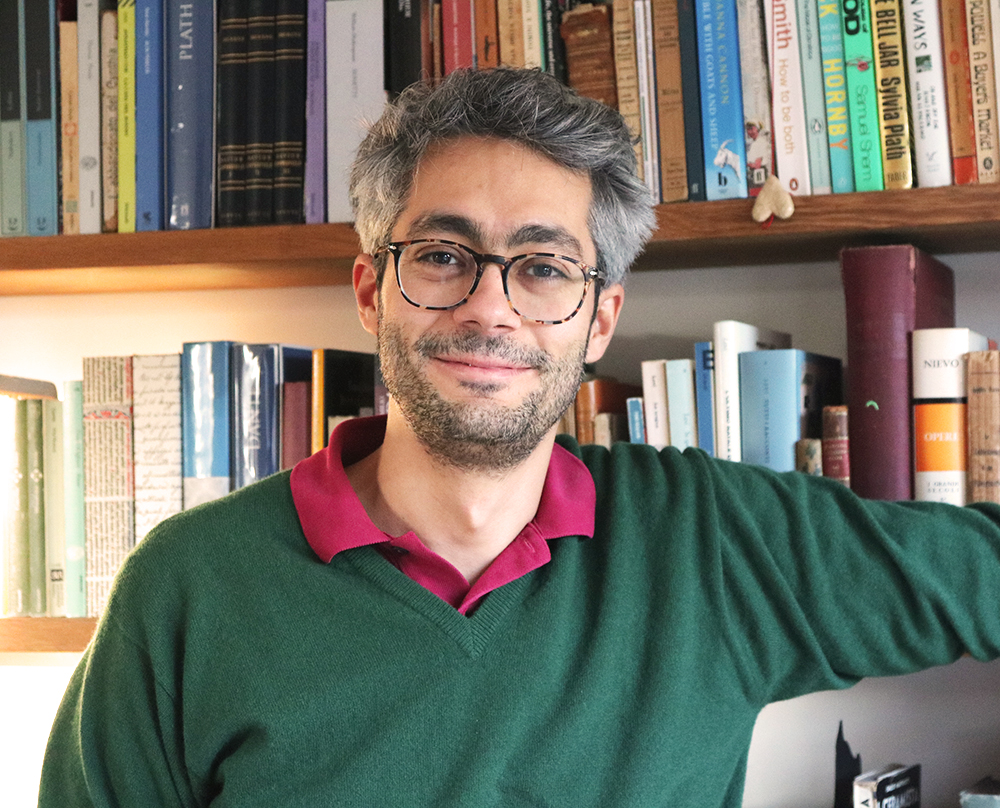
Emanuele Osimo
contact: efo22[at]cam.ac.uk
Google Scholar
LinkedIn
Cambridge Neuroscience Profile
Emanuele works on the prediction, mechanisms and treatment of severe mental illness, with a particular focus on psychosis and depression. He applies a range of translational approaches, including data science, genetics, epidemiology, and clinical informatics.
He investigates how electronic health records and routinely collected biological data – including biomarkers – can be used to stratify patients with psychosis, and how risk prediction tools can improve timely access to effective and personalised treatments. His work spans the development, validation and implementation of clinical decision support tools, including MOZART, which aims to personalise care at the onset of psychosis.
Emanuele contributes to national efforts to improve infrastructure for early psychosis research, including as deputy lead of the NIHR Mental Health Translational Research Collaboration (MH-TRC) Early Psychosis Workstream, and as co-investigator and local PI of the Early Psychosis Mission. He is also co-lead of the MH-TRC Mission CPFT Mood Disorders Research Clinic
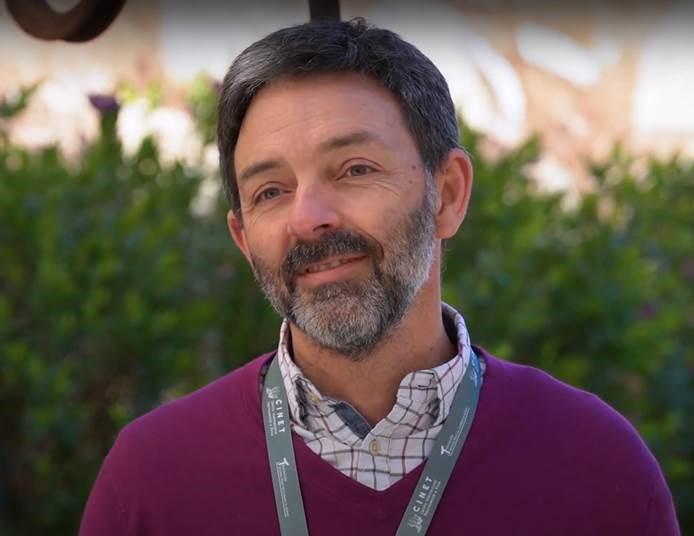
Graham Murray
contact: gm285[at]cam.ac.uk
Google Scholar
LinkedIn
Cambridge Neuroscience Profile
Graham works on the causes, brain mechanisms and treatments of mental disorder. He utilises a variety of neuroscience techniques, including statistical genomics (and other ‘omics), brain imaging, computational psychiatry, pharmacological and neuropsychological studies in patients and healthy volunteers.
He studies the relationship between cognitive development and mental illness across the lifespan, and the mechanisms through which etiological factors (such as genetics) lead to pathophysiological disruptions in mental illness. He is also interested in the research and clinical applications of risk scores, including polygenic risk scores and clinical informatics risk prediction models.
He is working to try to improve the infrastructure for psychosis translational research in the UK, through jointly leading the Early Psychosis Workstream of the National Institute for Health and Care Research (NIHR) Mental Health Translational Research Collaboration (MH-TRC) Mission. Graham is chief investigator of the Early Psychosis Mission.
For more details on current projects for the team, please go to the Lab projects section.
Here is a list of all our publications.
Staff:
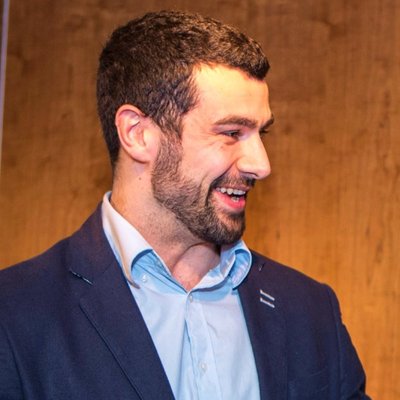
Ben is Assistant Professor and principal investigator on the Accelerate Science award Trusting Qualitative AI: The Cambridge Protocol. This project will develop a novel methodology and protocol for ethically integrating qualitative analysis with AI. Ben works closely with the PsyMetRiC team (University of Birmingham) to understand how qualitative methods can improve physical health communication for young people with psychosis.
Previously, Ben has used qualitative methods to study how people experience, interpret, and navigate emotions and institutional contexts. His work began with a focus on emotional expression and regulation in prisons, followed by research into the emotional landscapes of the Northern European asylum system.

Amelia Harshfield
ah824[at]cam.ac.uk
Amelia is Programme Manager for the MH-TRC Mission Early Psychosis workstream and Early Intervention Mission cohort study.
Postgraduate Students:

Shrankla works at the intersection of Psychiatry and Artificial Intelligence, co-supervised by Graham Murray and Sarah Morgan (King’s College London and Department of Computer Science, University of Cambridge). Her research explores how computational methods—including machine learning, natural language processing, and speech analysis—can be used to better understand and support mental health. She holds an undergraduate degree in Computer Science and a master’s in Statistics and Health Informatics.

Jim is interested in neuroscience, and uses imaging to make sense of psychosis and Alzheimer’s disease.
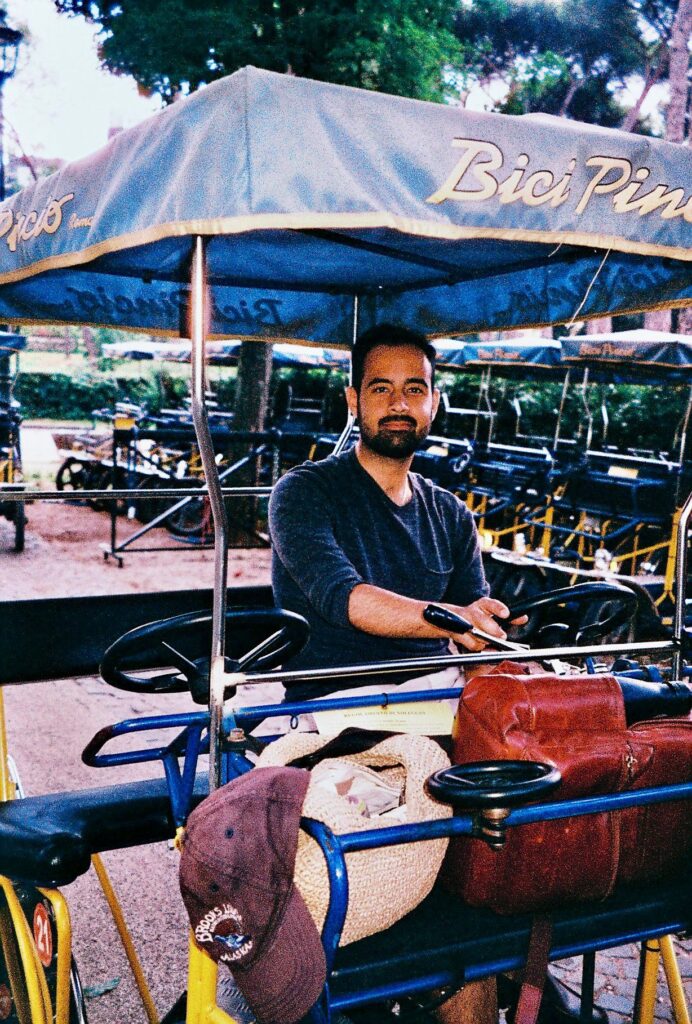
Benji has interests in cognitive neuroscience and novel assessment tools and therapeutics for psychiatric conditions. The focus of his PhD is on the feasibility and efficacy of mobile (smartphone) cognitive assessments in patients with psychosis.

Yueming Gao
yg425[at]cam.ac.uk
Yueming’s research investigates the neurogenetic mechanisms of psychiatric disorders. Her research combines genetic data with diffusion MRI to examine microstructural alterations in subcortical grey matter, with a particular focus on psychosis.
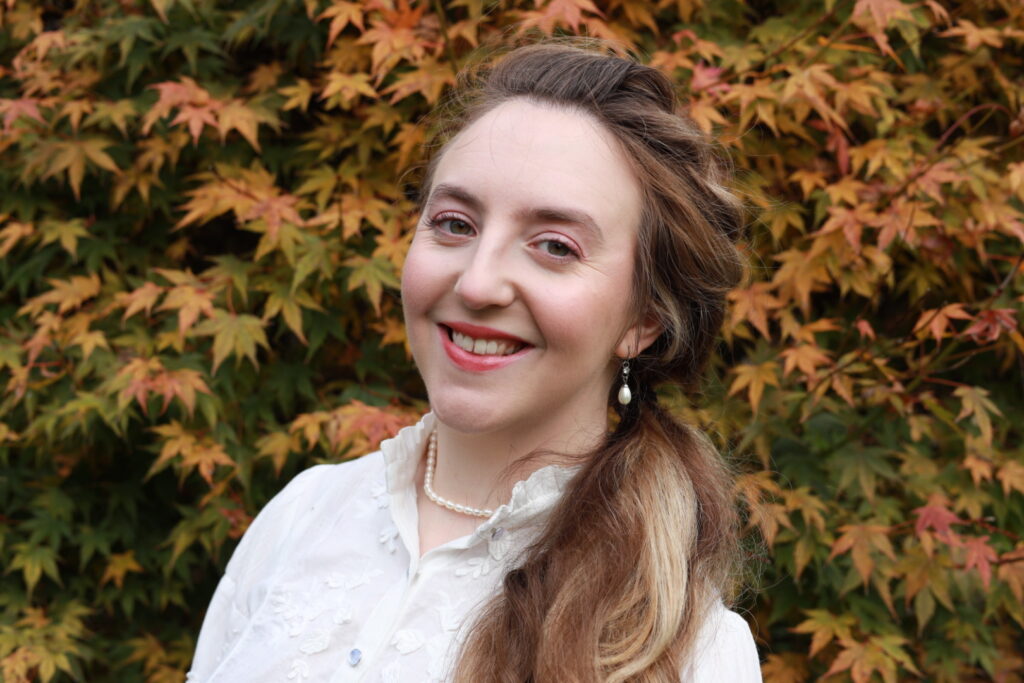
Chantal Miller-Silva
cm954[at]cam.ac.uk
Chantal’s PhD focuses on the cognitive mechanisms underlying psychosis, the at-risk mental state and schizotypy. Specifically, she uses the predictive processing framework, often described as a unified theory of brain function, to analyse how aberrant weighting of prior expectations contributes to hallucinations and delusions. This entails a range of methods including mixed modelling, factor analysis, meta-analysis and high-field laminar fMRI.
Medical Students:

Suleyman is interested in the relationship between inflammation and mental health.
Main collaborators

Mary-Ellen is a neuroimmunologist and psychiatrist who leads the BioMindLab, working between the Universities of Cambridge and Oxford. She is also co-founder and co-chair of the Psychiatric Genomics Consortium Functional Genomics Workgroup, an international hub for large-scale, open science. She serves as blood biomarker lead for the UKRI Mental Health Platform.

Dr Emilio Fernandez-Egea is a psychiatrist at the University of Cambridge whose research focuses on treatment-resistant schizophrenia, particularly the biological mechanisms underlying negative symptoms and cognitive dysfunction. He integrates clinical trials, neuroimaging, and biomarker studies to develop more effective, personalised interventions.
Visiting staff

Marta is a psychiatrist in Udine, Italy, and is doing a PhD – supervised by prof Colizzi – on mental health problems in people with autism and LD. She is a visiting student at the University of Cambridge. Her interests include psychosis and psychiatric epidemiology.
Alumni (since 2025)
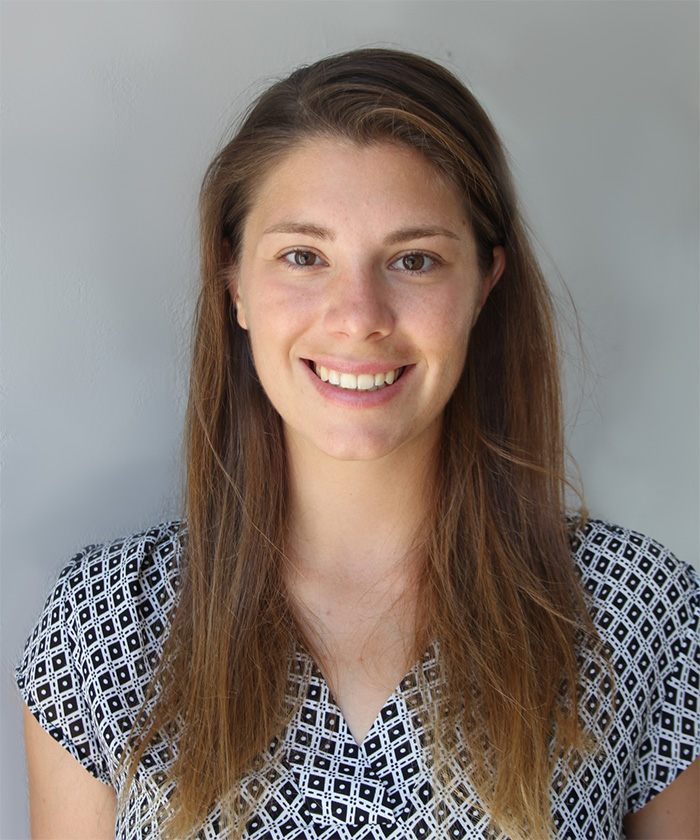
Ines Horvat Menih
Ines supported the PPiP2 and Early Intervention Mission studies.